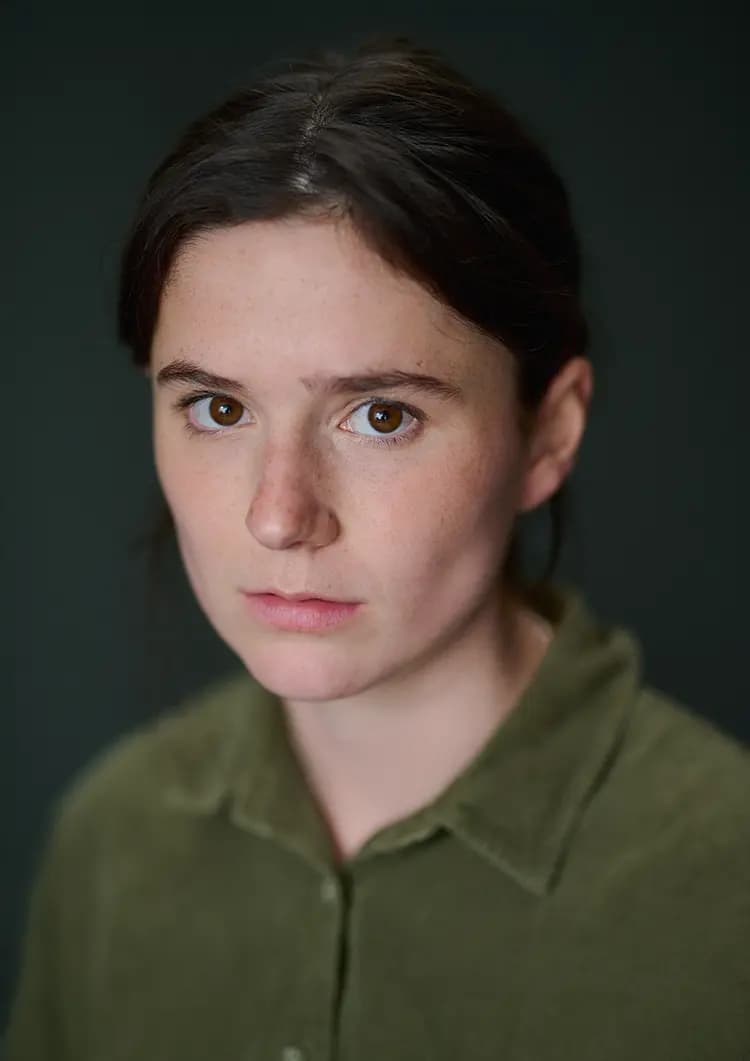
Actor Headshots: Studio vs Natural Light - Which Is Better?
This is one of the most common questions I get asked: should my headshots be done in a studio or with natural light? The internet has strong opinions on both sides. Some photographers swear by studio lighting. Others insist natural light is the only way to get an authentic look.
The truth? Both can produce excellent headshots, and both can produce terrible ones. The lighting itself is not the deciding factor. The photographer is. But since you are here, let me break down the actual differences so you can make an informed choice.
What Studio Lighting Gives You
Control. That is the main advantage. In a studio, the photographer decides exactly where the light falls, how soft or hard it is, where the shadows land, and how much contrast there is. Nothing is left to chance.
This means consistent results regardless of the time of day, the weather, or the season. If your session is at 10am on a grey Tuesday in January, the lighting will be just as good as on a sunny afternoon in June. That reliability matters when you are investing in professional images.
Studio lighting also gives the photographer the ability to sculpt light to your specific face. Broader faces might benefit from slightly more directional light to add definition. Deeper-set eyes might need fill light to keep them from falling into shadow. These are adjustments that happen in real time during the session.
What Natural Light Gives You
A softer, more organic feel. Natural light headshots tend to look slightly less "produced" and can feel more relaxed and approachable. When done well, they look like a beautiful, flattering version of how you look in everyday life.
Natural light also gives you the option of shooting outdoors or near windows, which can add environmental context to the image. A headshot taken near a window in an interesting building, or against a muted urban backdrop, can have a different energy to a studio shot.
The catch is that natural light is variable. Cloud cover changes the quality minute to minute. The time of day matters enormously. Shooting at midday in direct sun creates harsh shadows. Shooting on an overcast day creates flat, lifeless light. Getting it right requires a photographer who genuinely understands how to read and work with natural light, not just someone who sets up near a window and hopes for the best.
What I Do
My studio in Herne Hill has daylight as well as a full studio lighting setup. So I am not locked into one approach. Depending on what we are going for, I use one or the other, or sometimes a combination.
For a clean, classic casting headshot, I tend to lean toward studio lighting because it gives me the most control over the final result. For something more relaxed or portrait-style, daylight in the studio can work beautifully.
The point is that the lighting should serve you, not the other way around. I decide the approach based on your face, your casting type, and what we are trying to achieve, not based on a rigid preference for one method.
What Casting Directors Think
Here is the reality: casting directors care far more about whether the photo looks like you than about how it was lit. They care whether it looks professional, whether your face is clearly visible, and whether your eyes have life. A beautifully lit studio headshot and a beautifully lit natural light headshot are equally effective for casting purposes.
What they do notice is bad lighting, regardless of the source. Harsh shadows, flat exposure, colour casts from mixed lighting, unflattering angles. These are the things that make a headshot look amateur, and they can happen with studio or natural light.
Red Flags to Watch For
If a photographer only offers one style and cannot articulate why, that is worth questioning. "I only shoot natural light" might mean they do not own studio equipment. "I only shoot in studio" might mean they are not comfortable working with variable conditions. A skilled photographer should be able to work in both environments.
Also be cautious of photographers who over-stylise natural light shots to the point where they look like lifestyle editorial images rather than casting headshots. There is a difference between a beautiful portrait and a functional headshot, and for casting, function wins.
The Bottom Line
Good headshots are about the photographer, not the light source. A great photographer will make you look fantastic in studio or natural light. An inexperienced photographer will struggle in either.
When you are choosing a photographer, look at their portfolio across both styles (if they offer both). If the quality is consistently high regardless of the lighting approach, you are in good hands.
Want to see examples of both styles? Have a browse through my portfolio and you will see a mix of studio and natural light work. When you are ready to book, check out my actor headshot packages or get in touch to talk it through.